Destinations in China
Xi'an for First-Time Visitors
A first Xi'an guide that introduces the city's most characteristic sights so travelers can choose their own route.
- Best for
- History lovers, Silk Road curiosity, and travelers who want a compact ancient-capital experience
- May change
- Museum reservations, ticketing, performance schedules, opening hours, and transport details
Choose Xi'an Sights By Interest
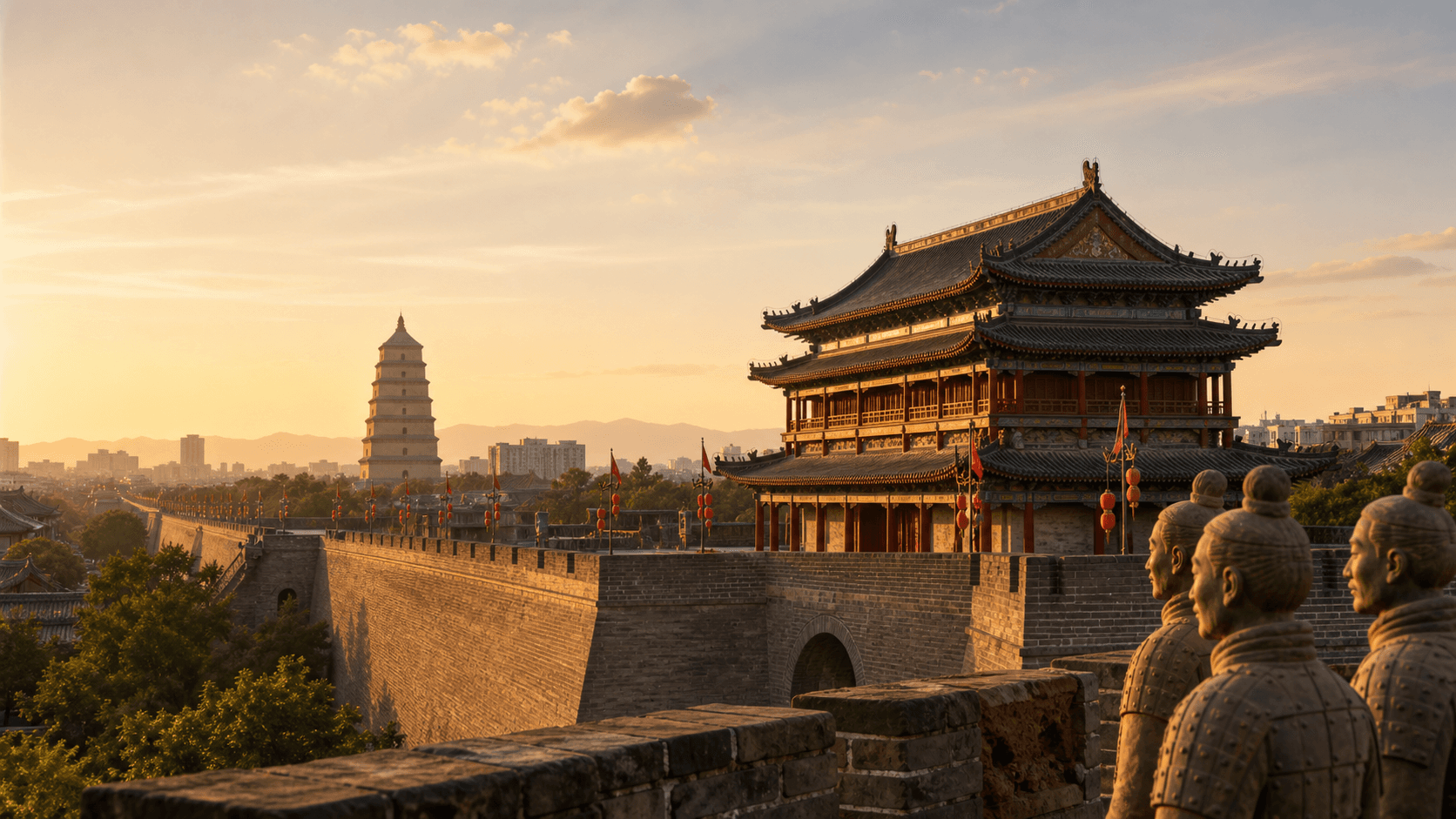
Xi'an, historically known as Chang'an (长安), is one of the best places in China to understand the scale of ancient empire. It is commonly described in Chinese history writing as an ancient capital for 13 dynasties, including major periods such as the Western Zhou, Qin, Han, Sui, and Tang.
Instead of following a fixed multi-day route, use the sights below as a menu. The Terracotta Army, city wall, Tang Buddhist landmarks, museums, old-city streets, and mountain side trips all show different sides of Xi'an, so choose based on your own pace, weather, and reservation availability.
Emperor Qinshihuang's Mausoleum Site Museum / Terracotta Army (秦始皇帝陵博物院 / 兵马俑)
The Emperor Qinshihuang's Mausoleum Site Museum (秦始皇帝陵博物院) in Lintong District (临潼区) is the archaeological site most travelers know as the Terracotta Army (兵马俑). It includes the Terracotta Warriors and Horses Museum (兵马俑博物馆) and Lishan Garden (丽山园), the mausoleum area of Qin Shi Huang, the first emperor of a unified China.
The Qin Dynasty (秦朝) lasted from 221 to 206 BCE. Although short, it was decisive for imperial unification, state standardization, and the political imagination of later China. The rows of soldiers are visually dramatic, but the deeper story is about imperial power, funerary culture, and the organizational scale of the Qin state.
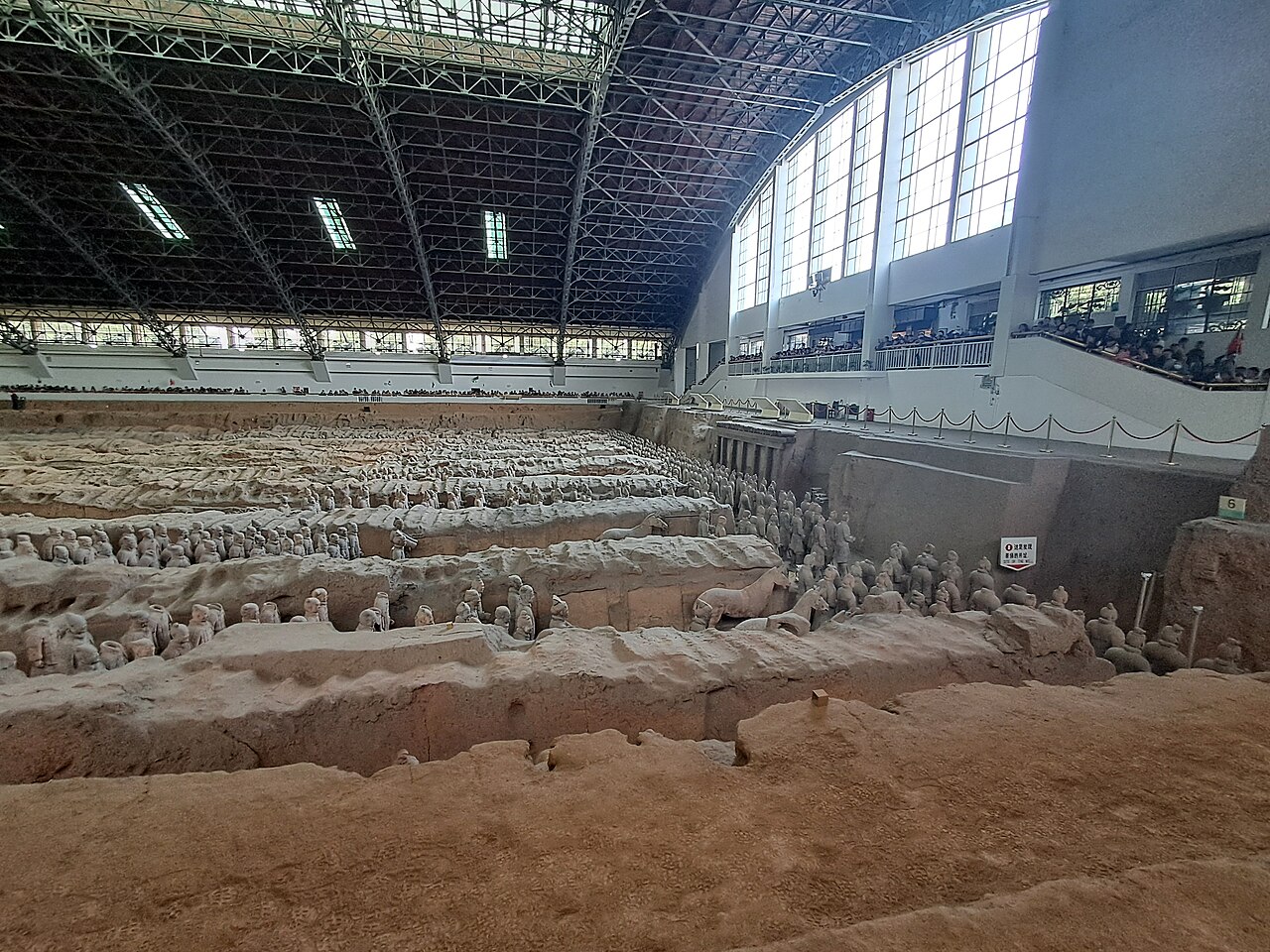
Photo: Wikimedia Commons, Ideophagous, open license.

Xi'an City Wall (西安城墙)
Xi'an City Wall (西安城墙), also known as the Ming City Wall (明城墙), is one of China's largest and best-preserved ancient city walls. The existing wall was built in the early Ming Dynasty, mainly from 1370 to 1378 during the Hongwu reign, on the foundation of earlier Tang and Yuan city defenses.
The wall runs about 13.74 kilometers around the old city center. Gates, watchtowers, corner towers, and ramparts still make the city's old defensive logic easy to read. You do not need to complete the full circuit; a shorter walk or bike ride from Yongning Gate (永宁门 / South Gate) is enough for most first-time visitors.
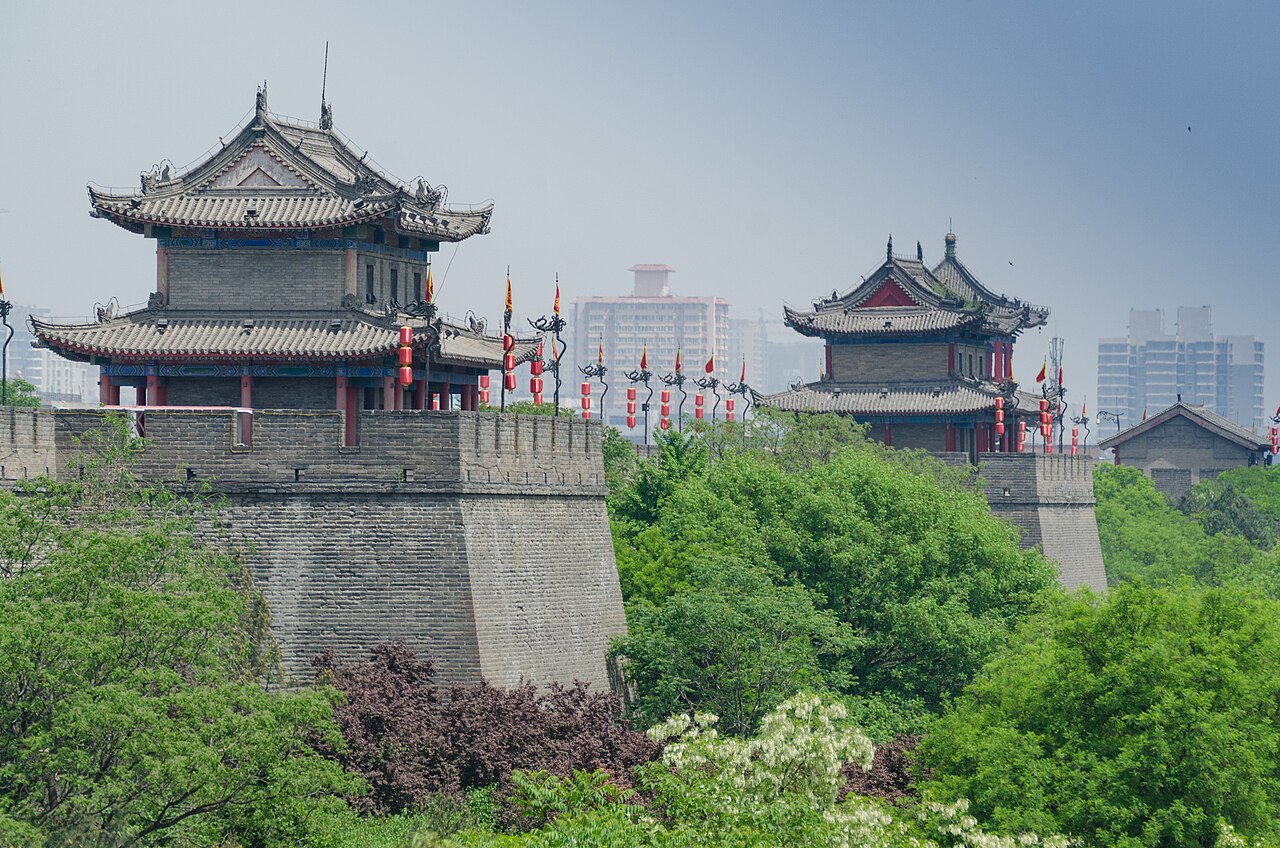
Photo: Wikimedia Commons, Wikimedia Commons contributor, open license.
Giant Wild Goose Pagoda / Da Ci'en Temple (大雁塔 / 大慈恩寺)
The Giant Wild Goose Pagoda (大雁塔) stands inside Da Ci'en Temple (大慈恩寺). It was built in 652 during the Tang Dynasty (618-907) under the supervision of the monk Xuanzang (玄奘), who brought Buddhist scriptures, images, and relics back from India.
Xuanzang is the historical figure behind the later cultural image of Tang Sanzang (唐三藏). The famous Tang Monk in *Journey to the West* (西游记) is a fictional character created from Xuanzang's real journey. The pagoda is now part of the UNESCO-listed Silk Roads heritage route and is one of the clearest ways to connect Xi'an with Buddhism, Tang Chang'an, and long-distance cultural exchange.
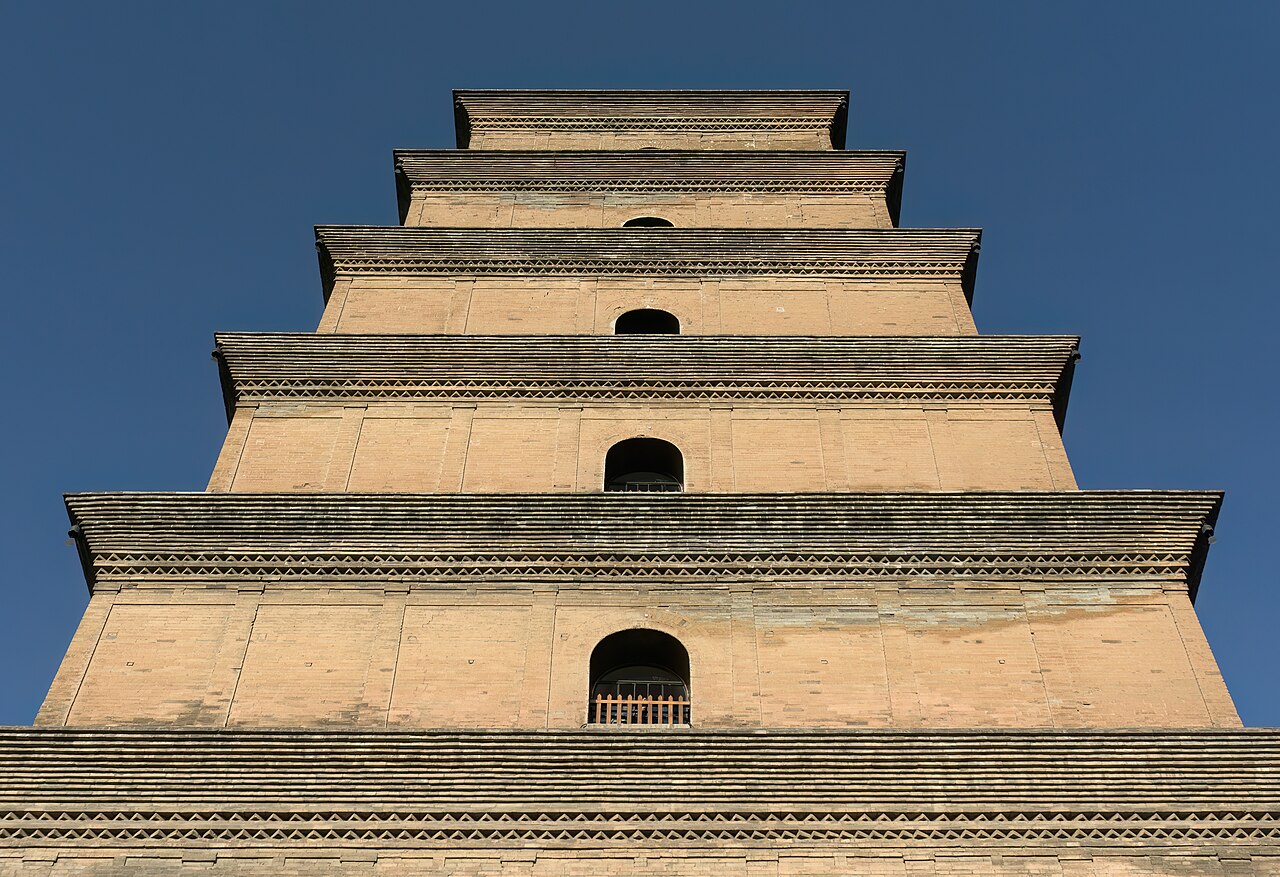
Photo: Wikimedia Commons, Alexey Komarov, open license.

Bell Tower and Drum Tower (钟楼 / 鼓楼)
The Bell Tower (钟楼) and Drum Tower (鼓楼) form Xi'an's most recognizable old-city axis. The Bell Tower stands at the meeting point of the city's four main roads, while the Drum Tower sits nearby at the entrance toward the Muslim Quarter (回民街).
Both towers were originally part of the city's timekeeping system. Bells marked the morning, drums marked the evening, and together they helped organize daily life in the walled city. Today they are useful orientation landmarks and a natural starting point for exploring central Xi'an.
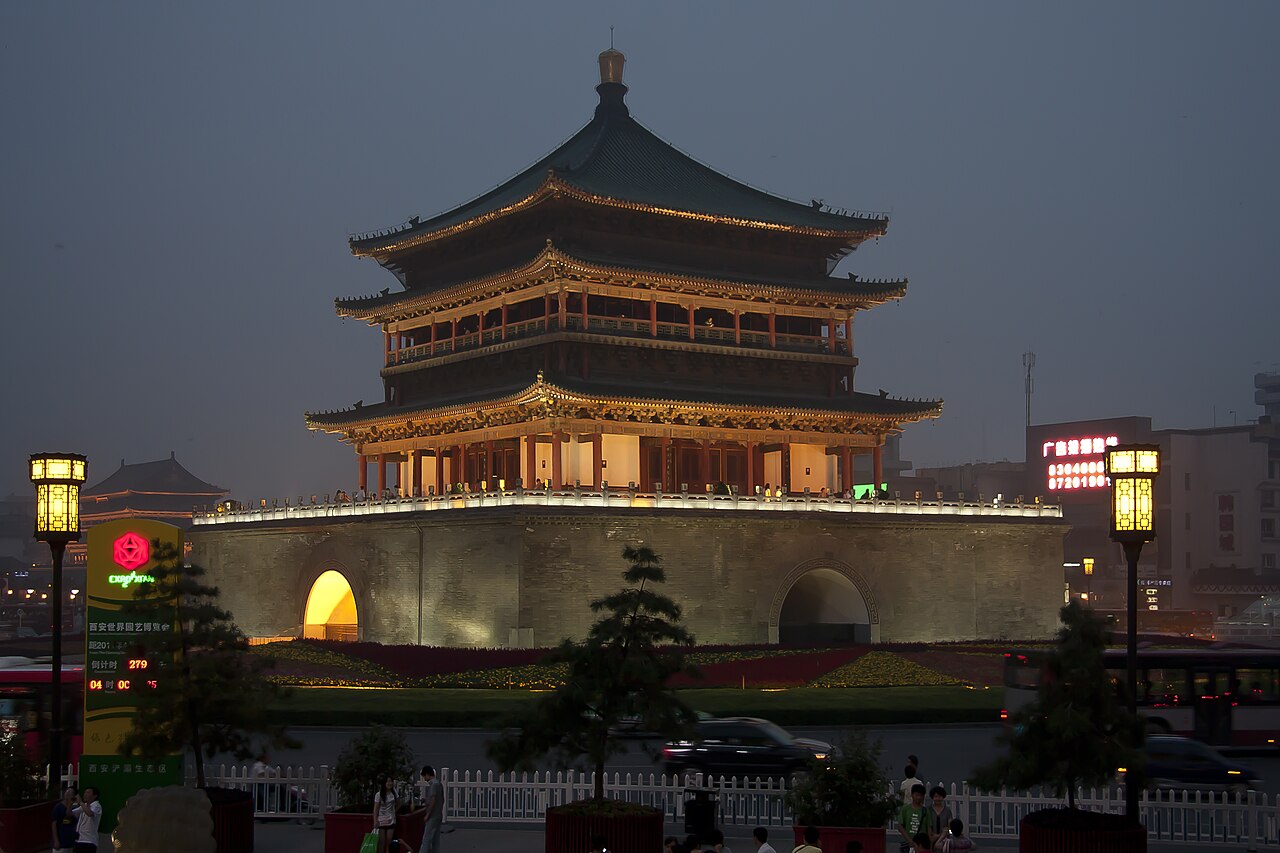
Photo: Wikimedia Commons, This image was produced by me, David Castor ( user:dcastor ). The pictures I submit to the Wikipedia Project are released to the public doma, open license.

Shaanxi History Museum (陕西历史博物馆)
Shaanxi History Museum (陕西历史博物馆) is one of China's most important museums for ancient history. It is often described as the "pearl of the ancient capital" and a treasury of Chinese civilization because its collections cover the Zhou, Qin, Han, and Tang periods that shaped Xi'an's historical identity.
The museum holds more than 1.7 million cultural relics, including bronzes, pottery figures, murals, gold and silver objects, and Tang-dynasty treasures. Its Tang-style architecture also makes the building itself part of the experience. Reservation demand can be intense, so check booking rules early.
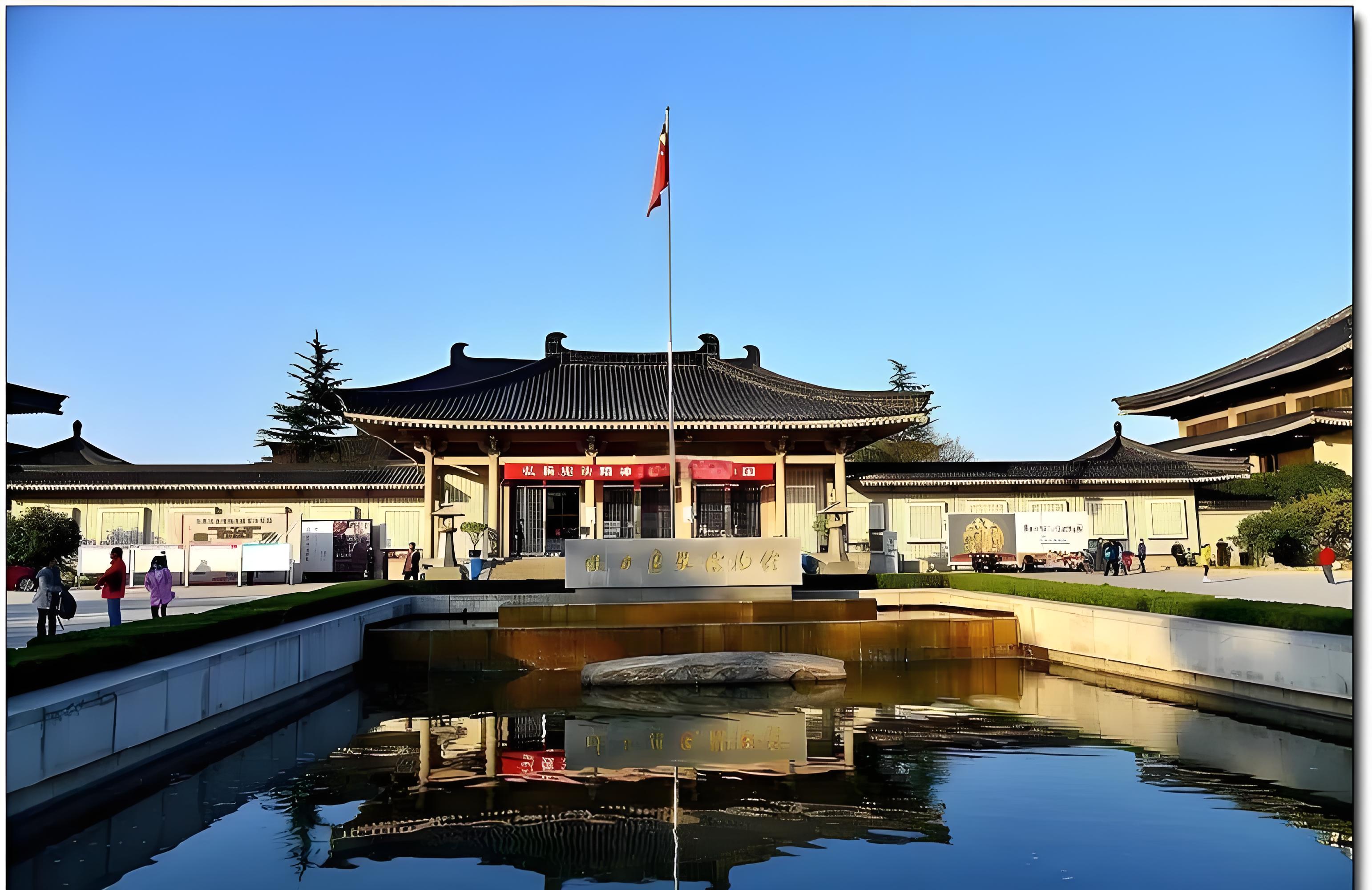
Photo: Local reference image provided for this guide.
Grand Tang Mall / Great Tang All Day Mall (大唐不夜城)
Grand Tang Mall (大唐不夜城), also translated as Great Tang All Day Mall, is a free Tang-themed pedestrian district near the Giant Wild Goose Pagoda (大雁塔). It uses Tang-style architecture, lights, sculptures, plazas, and street performances to turn the area into a modern night-time cultural zone.
This is not ancient Chang'an itself; it is how contemporary Xi'an stages Tang culture for visitors. Go near sunset or after dinner for the strongest atmosphere, but expect crowds on weekends and holidays.
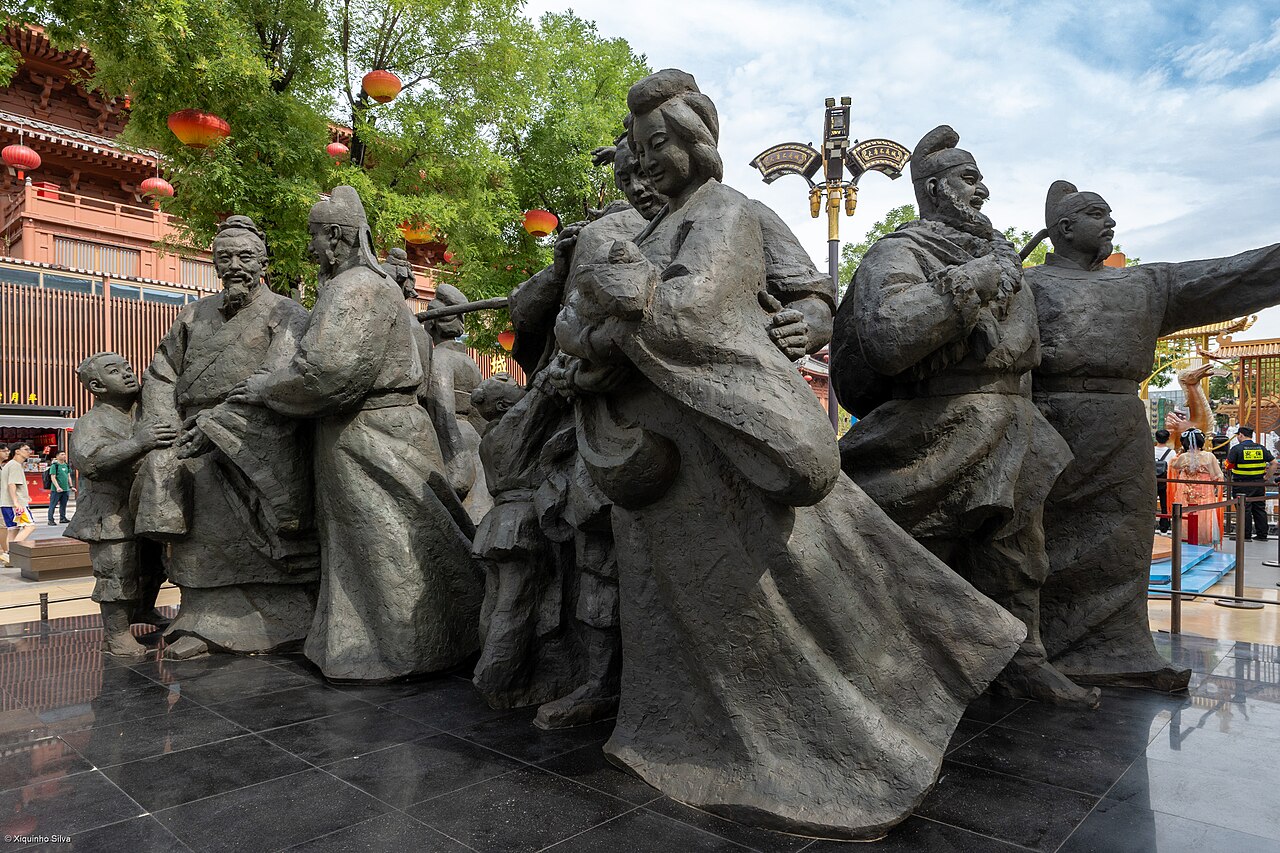
Photo: Wikimedia Commons, xiquinhosilva, open license.

Mount Hua / Huashan Scenic Area (华山风景名胜区)
Mount Hua (华山), or Huashan Scenic Area (华山风景名胜区), is one of China's traditional Five Great Mountains (五岳) and is known as the Western Great Mountain (西岳). It has long been associated with Daoist practice, mountain pilgrimage, and dramatic cliffside paths.
Huashan is famous for its steep granite peaks, narrow routes, and views that feel much more rugged than a normal city add-on. The South Peak (南峰), at about 2,154.9 meters, is the highest point. Treat Huashan as a serious full-day trip and check weather, cableway operations, fitness, and fear of heights before committing.
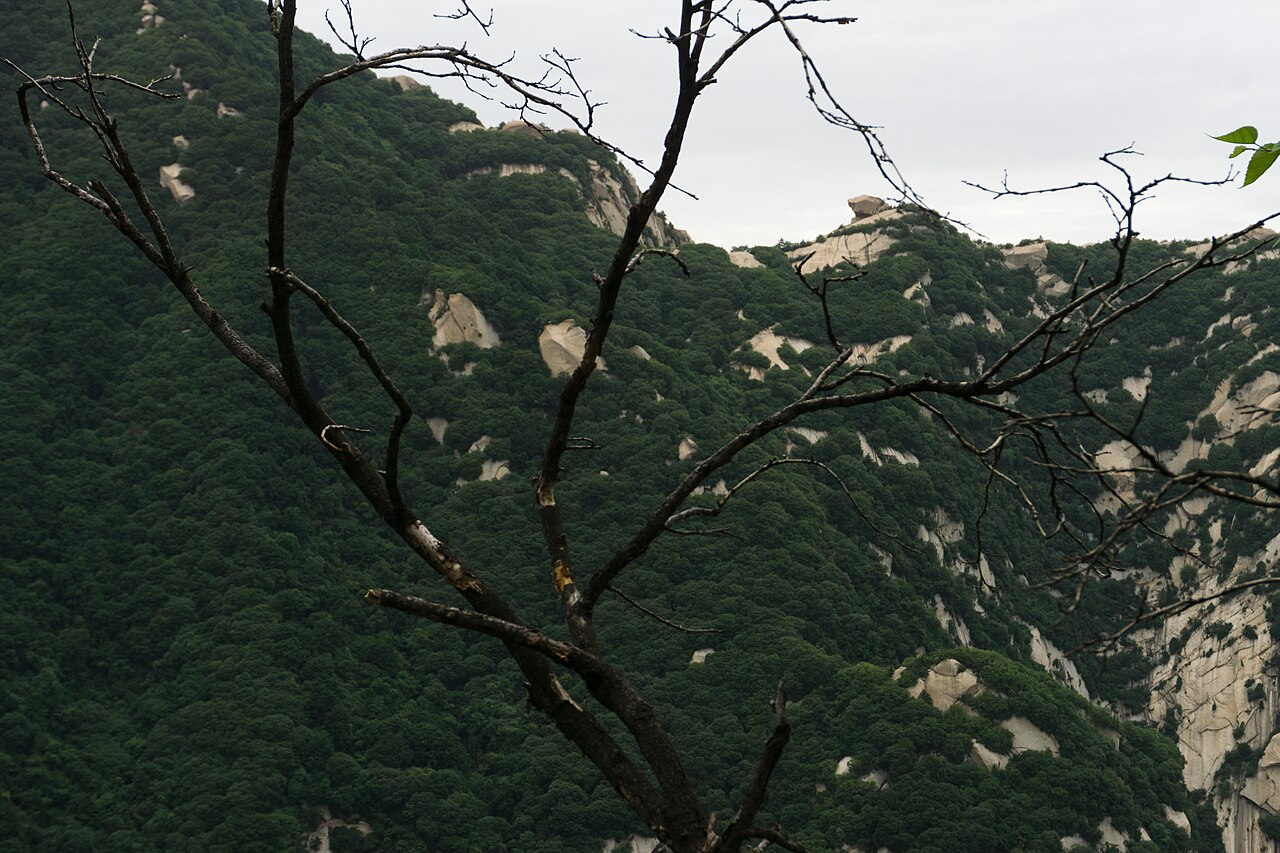
Photo: Wikimedia Commons, Alexey Komarov, open license.

Guangren Temple (广仁寺)
Guangren Temple (广仁寺) is a Tibetan Buddhist Gelugpa temple inside Xi'an's old city area. It was built in 1705 during the Kangxi reign of the Qing Dynasty and served as an important temple for Tibetan Buddhist visits to the imperial capital region.
Its red walls, golden roofs, prayer flags, and Tibetan Buddhist details create a visual language quite different from many Han Chinese temples in the city. It is still an active religious site, so visit quietly and give worshippers space.
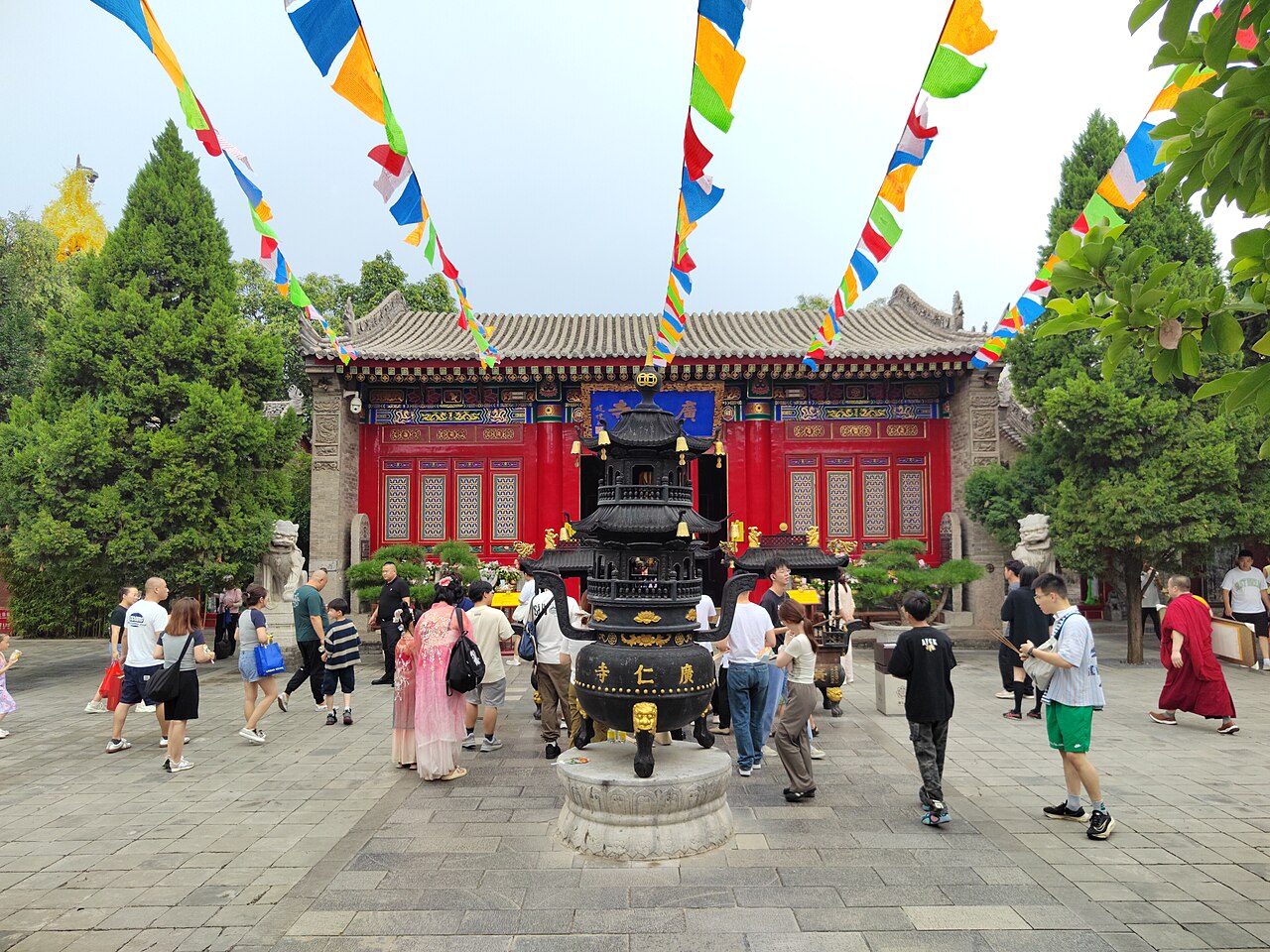
Photo: Wikimedia Commons, 沈澄心, open license.

Small Wild Goose Pagoda / Xi'an Museum (小雁塔 / 西安博物院)
Small Wild Goose Pagoda (小雁塔) sits inside the Xi'an Museum (西安博物院) and Jianfu Temple (荐福寺) heritage area. Together they make a calmer alternative to the more crowded Giant Wild Goose Pagoda area.
The park combines museum galleries, temple remains, and the pagoda itself. Even when tower climbing is unavailable, the exterior, courtyards, and museum context make it a useful stop for travelers who want Tang-period atmosphere without the heaviest crowds.
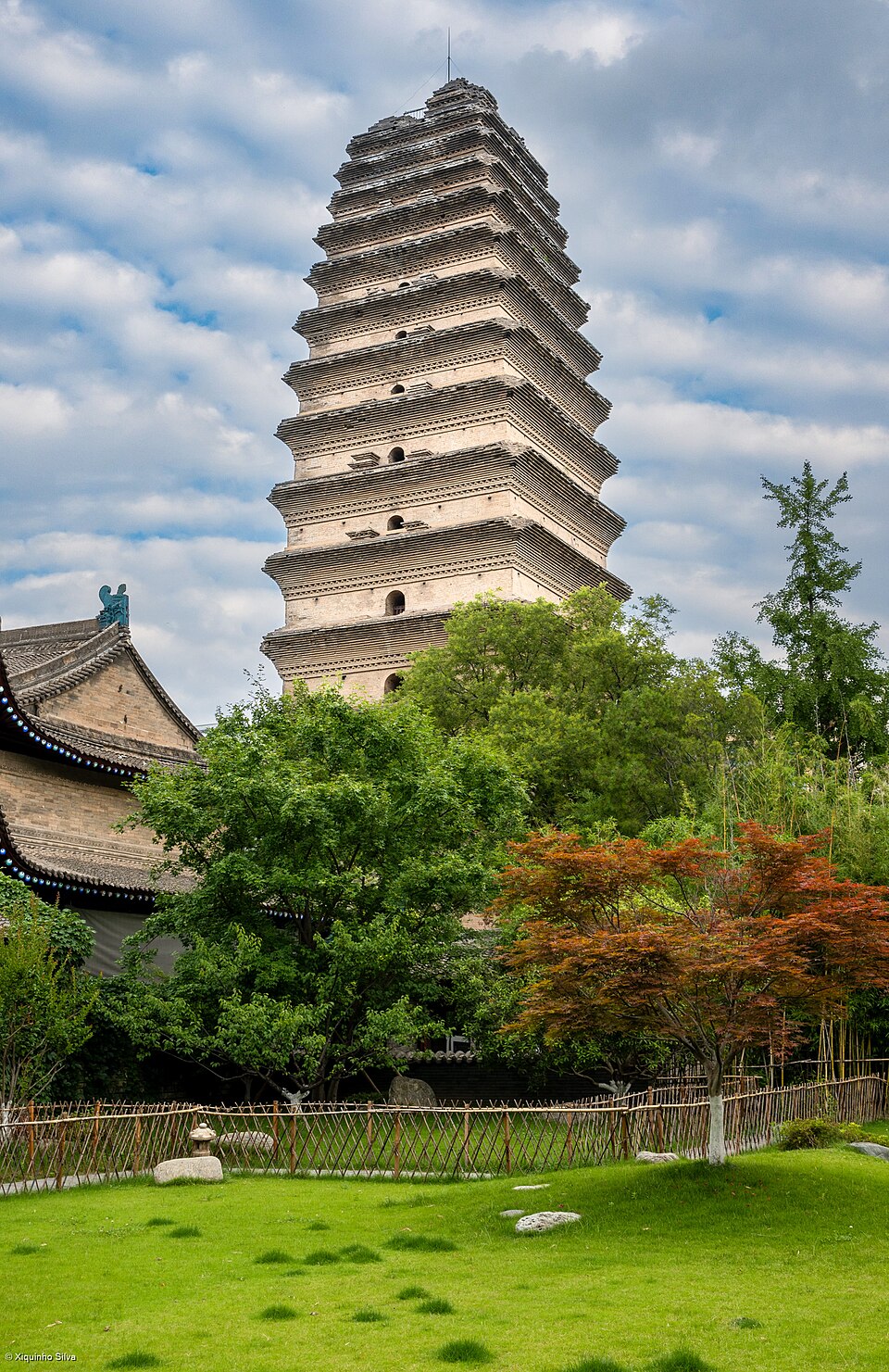
Photo: Wikimedia Commons, xiquinhosilva, open license.

Shaanxi Archaeology Museum (陕西考古博物馆)
Shaanxi Archaeology Museum (陕西考古博物馆) is China's first museum focused specifically on archaeology. Instead of only showing finished treasures, it explains excavation, conservation, research methods, and how archaeological discoveries build the historical record.
The museum displays thousands of objects and groups of artifacts under themes such as archaeological process, Shaanxi's cultural sequence, important discoveries, and conservation technology. It is a strong choice if the Terracotta Army makes you want more context about how ancient sites are studied.
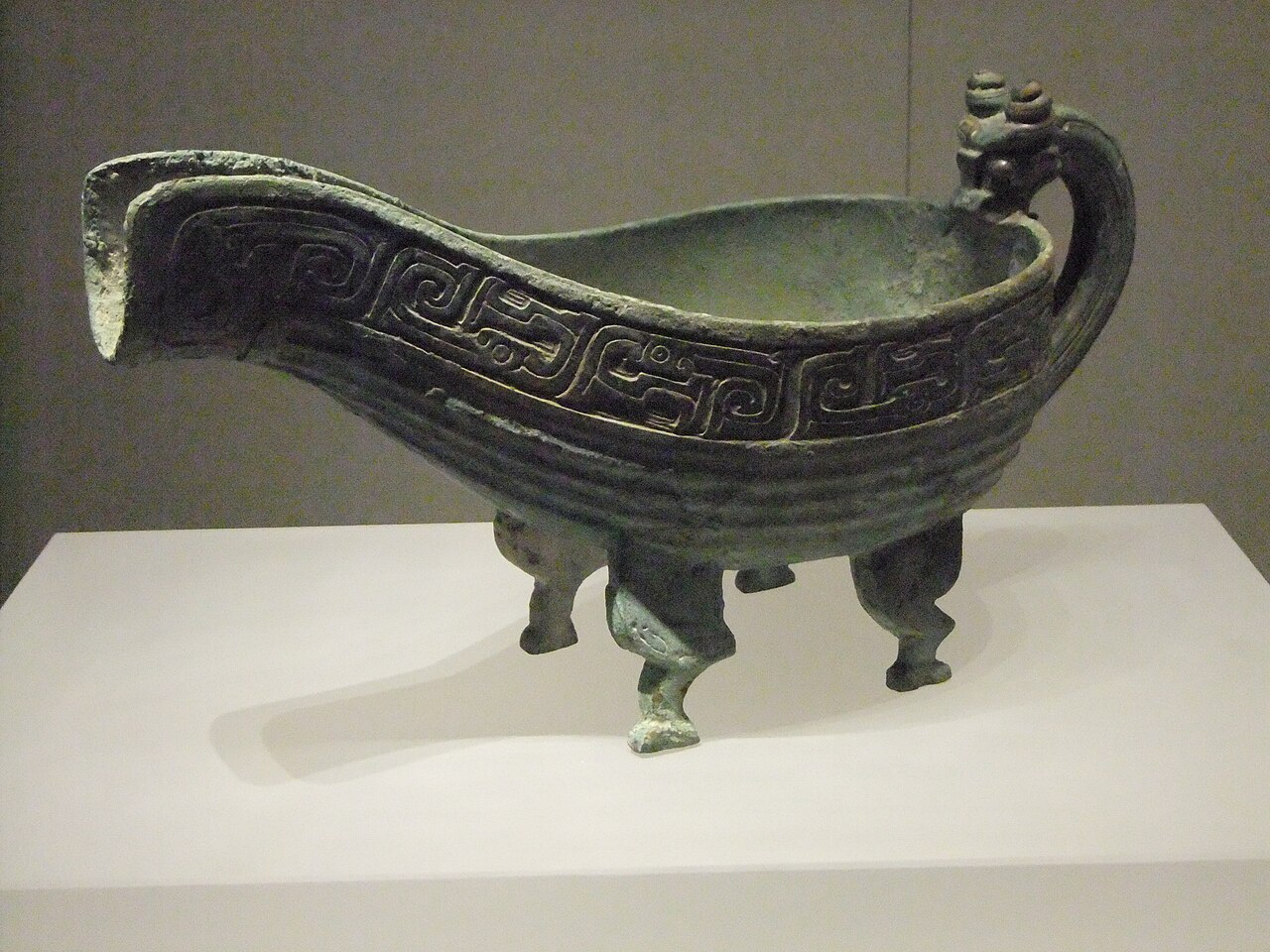
Photo: Wikimedia Commons, Huangdan2060, open license.

Huaqing Palace / Huaqing Pool (华清宫 / 华清池)
Huaqing Palace (华清宫), also known as Huaqing Pool (华清池), sits at the foot of Mount Li (骊山) in Lintong District. It is best known as a Tang royal hot-spring palace connected with Emperor Xuanzong (唐玄宗) and Yang Guifei (杨贵妃), and as one of the sites associated with the Xi'an Incident (西安事变) in 1936.
The scenic area includes Tang royal bath ruins, Jiulong Lake (九龙湖), the Five-Room Hall (五间厅), Bingjian Pavilion (兵谏亭), and mountain views. It pairs naturally with the Terracotta Army because both are in the Lintong direction, but ticketing and performance schedules should be checked separately.
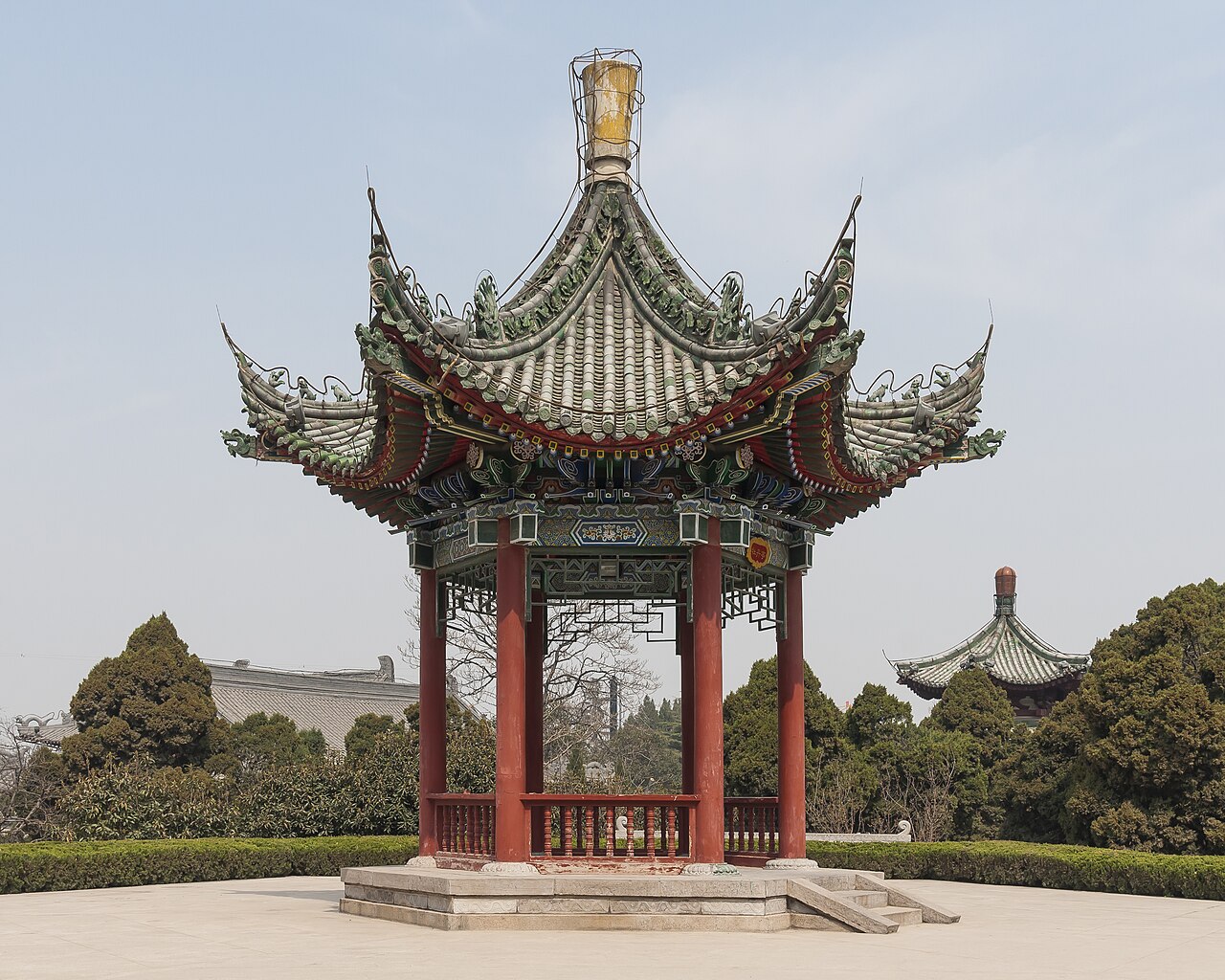
Photo: Wikimedia Commons, CEphoto, Uwe Aranas, open license.

Shuyuanmen Cultural Street (书院门)
Shuyuanmen Cultural Street (书院门) is one of Xi'an's most scholarly old-city streets. Its name comes from Guanzhong Academy (关中书院), and the street is known for calligraphy, brushes, ink stones, seals, rubbings, antiques, and traditional craft shops.
The street is only about 500 to 600 meters long, so it is easy to combine with the city wall, Bell Tower area, or nearby old-city walking routes. It is especially good for visitors interested in calligraphy culture and small souvenirs that feel more local than generic tourist goods.
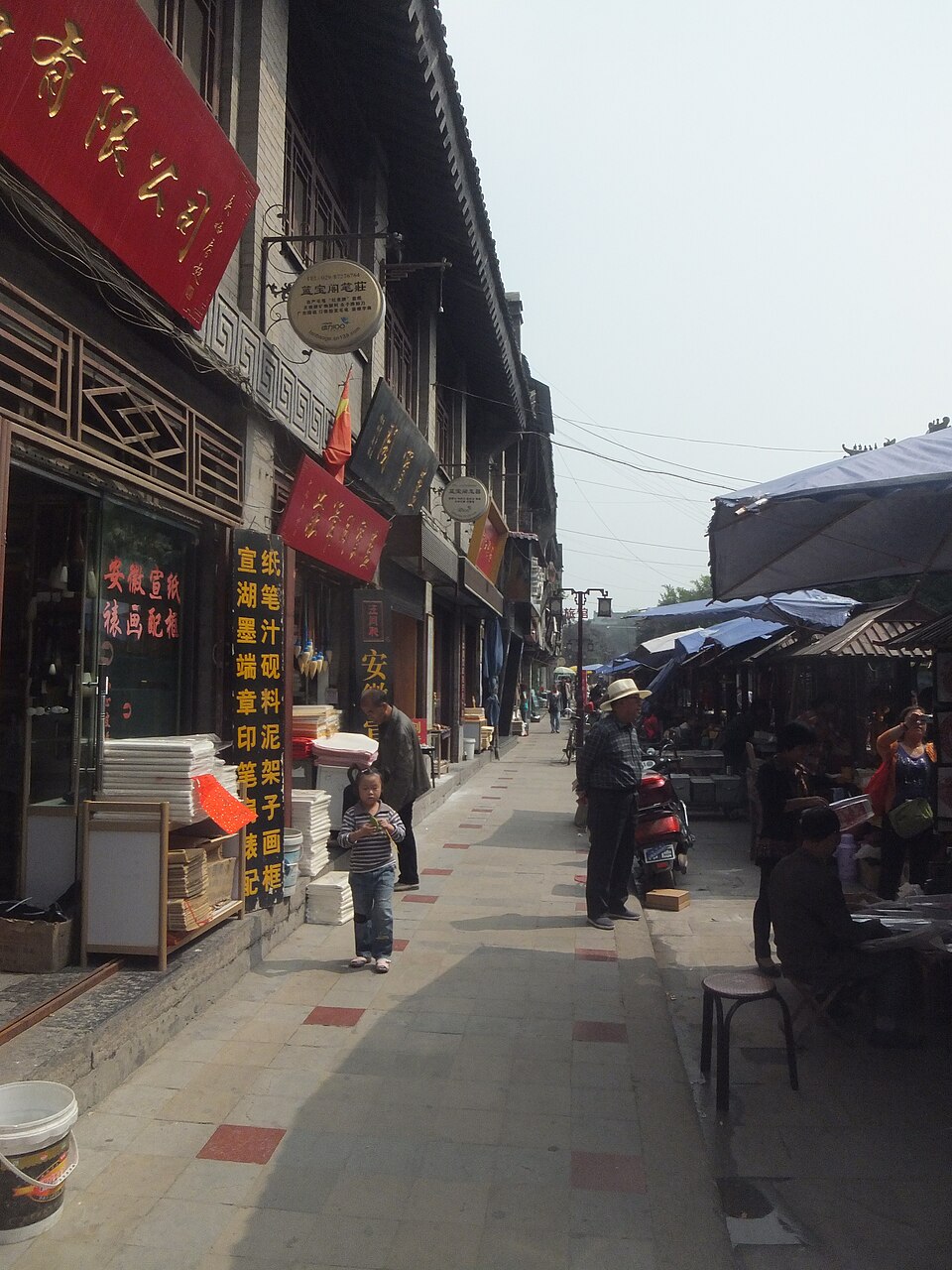
Photo: Wikimedia Commons, No machine-readable author provided. WolfgangMichel assumed (based on copyright claims)., open license.

Ancient Guanyin Temple (古观音禅寺)
Ancient Guanyin Temple (古观音禅寺) is a Buddhist temple with a history often traced to 628, the second year of the Zhenguan reign in the Tang Dynasty. It is especially famous for its ancient ginkgo tree, which local tradition connects with Emperor Taizong of Tang, Li Shimin (唐太宗李世民).
In autumn, the ginkgo becomes one of Xi'an's most photographed seasonal scenes, so access rules and reservations can change. Outside peak leaf season, the temple is quieter and works best for travelers who enjoy calm religious spaces.
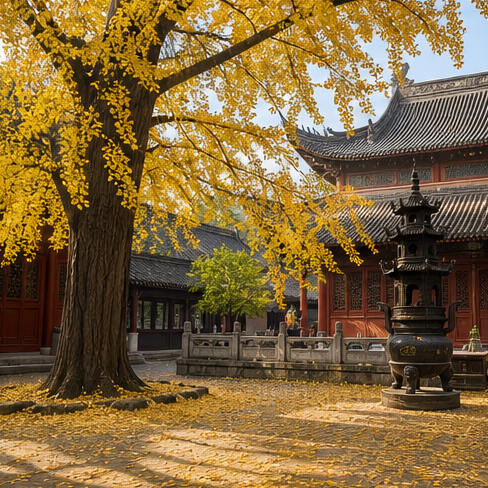
Image: AI-generated local attraction image, used as a stable visual reference.
Yongxingfang (永兴坊)
Yongxingfang (永兴坊) is a food and intangible-cultural-heritage district built around the idea of Tang Chang'an's old ward system. It is associated with the historical area of Wei Zheng's residence and now introduces regional snacks from across Shaanxi.
This is a convenient place to sample local flavors if you want an easier, more curated alternative to a large street-food crawl. Expect snacks, performances, souvenirs, and the famous "smashing bowl wine" (摔碗酒) photo moment.
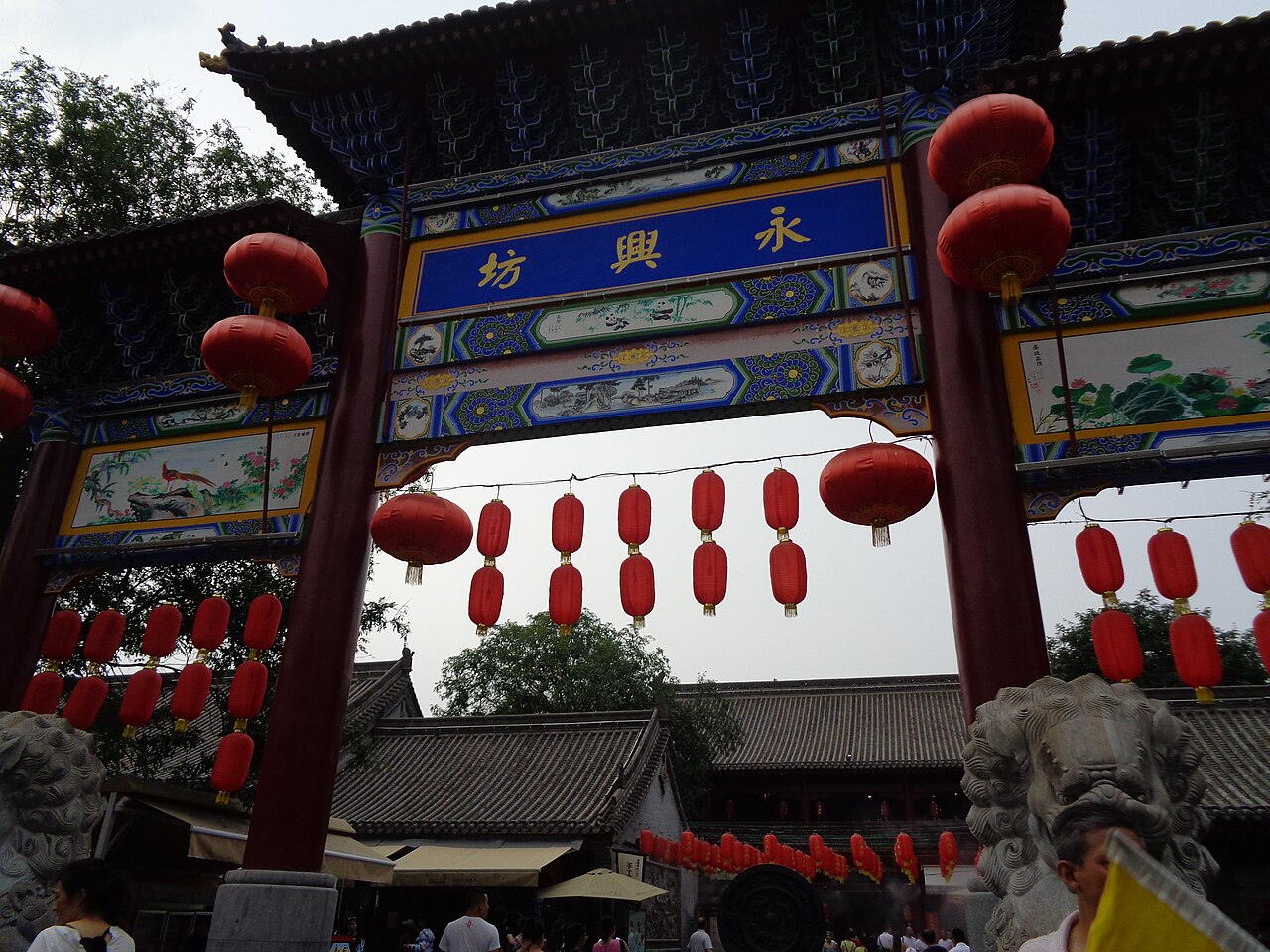
Photo: Wikimedia Commons, Liuxingy, open license.

Gao Family Courtyard (高家大院)
Gao Family Courtyard (高家大院), also known as the former residence of Gao Yuesong (高岳崧故居), stands at 144 Beiyuanmen (北院门144号) near the Muslim Quarter. It was first built in 1641 and preserves the atmosphere of a traditional elite residence in old Xi'an.
The courtyard once served seven generations of the Gao family and contains dozens of rooms arranged around traditional courtyards. It is a good place to understand residential architecture, and it often features local cultural performances such as shadow puppetry, Huayin old tune, or puppet shows depending on the current schedule.
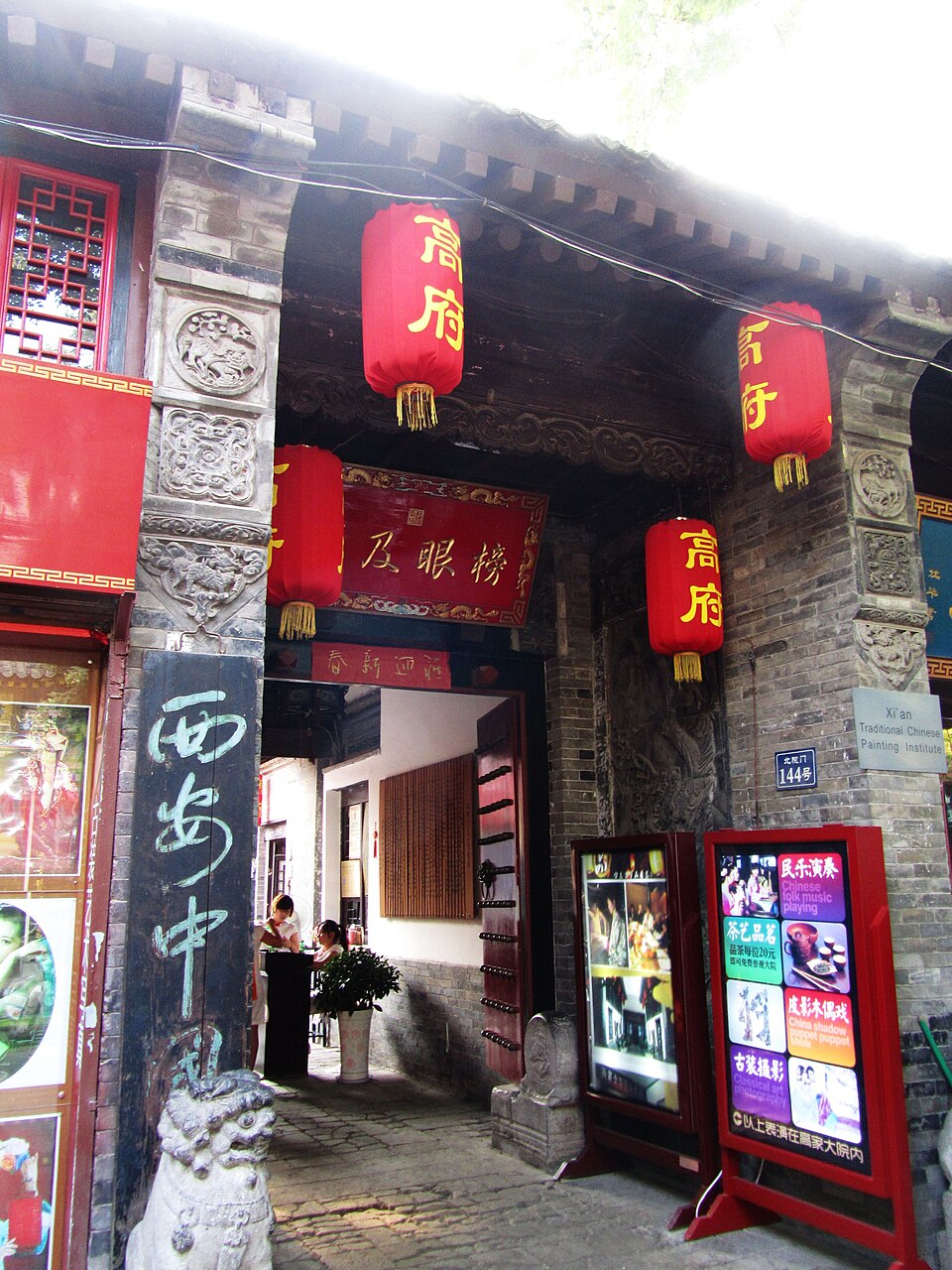
Photo: Wikimedia Commons, 猫猫的日记本, open license.

Hanfu Rental and Makeup (汉服妆造)
Xi'an is one of the easiest cities in China to try Hanfu rental and makeup (汉服妆造), especially around Grand Tang Mall (大唐不夜城), Giant Wild Goose Pagoda (大雁塔), and old-city photo spots. It can be a fun way to experience the city's Tang-inspired visual culture, but treat it as a booking service rather than a casual walk-in activity.
Search Chinese platforms with terms like `西安 汉服 妆造`, `大唐不夜城 汉服`, or `西安 汉服租赁`. Shops often require a deposit, an ID or passport check, a return time, and extra fees for makeup, hair accessories, photography, or overtime. Confirm whether the shop can handle foreign passports before booking.
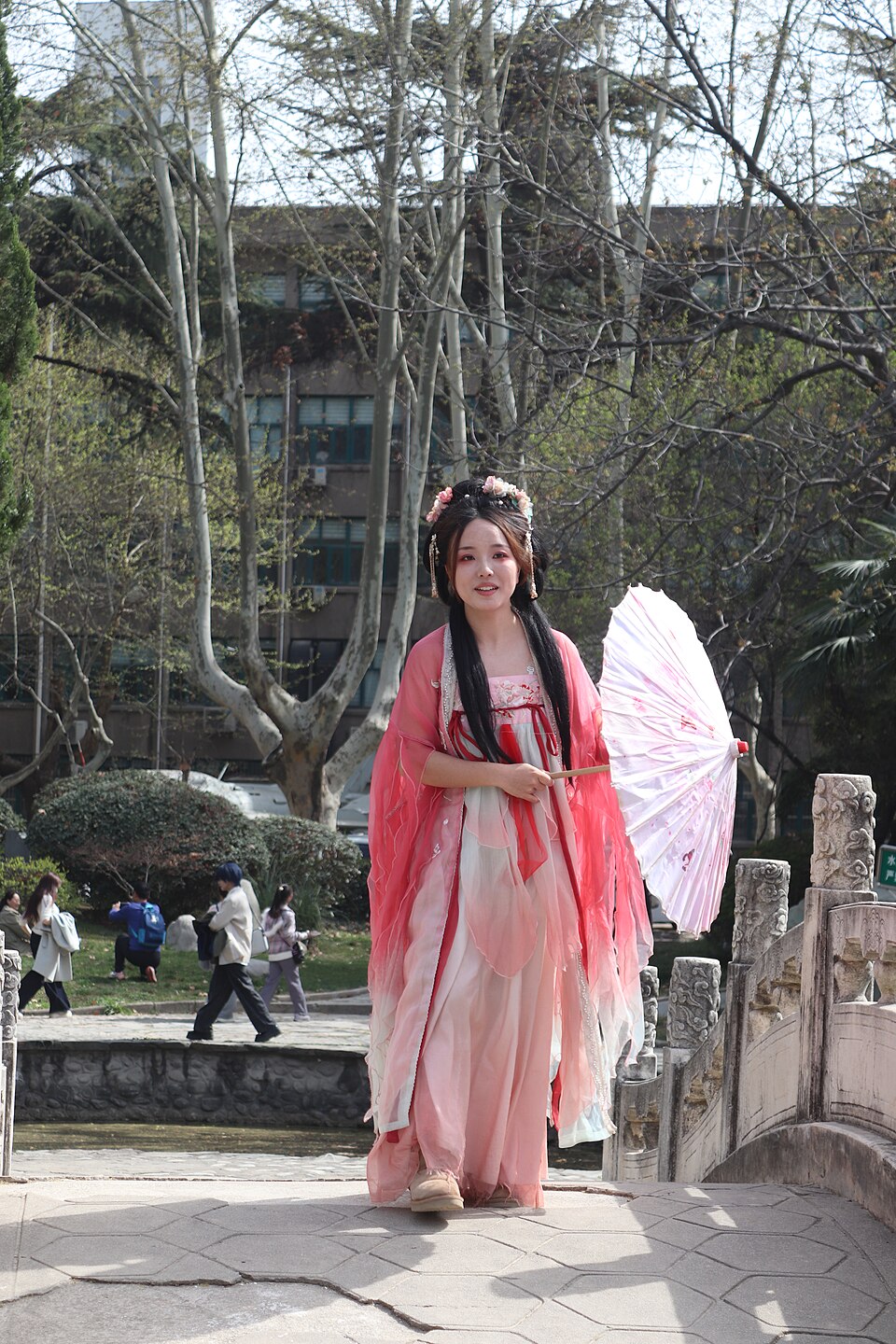
Photo: Wikimedia Commons, Liuxingy, open license.

Food notes
Xi'an is a good city for travelers who enjoy wheat-based foods and stronger flavors. Muslim Quarter and areas around the Bell and Drum Towers are convenient for snacks; sit-down restaurants are easier if you need help with allergies or spice levels.
Roujiamo
Roujiamo is often described as a Chinese-style meat sandwich: chopped stewed meat is packed into a flatbread.
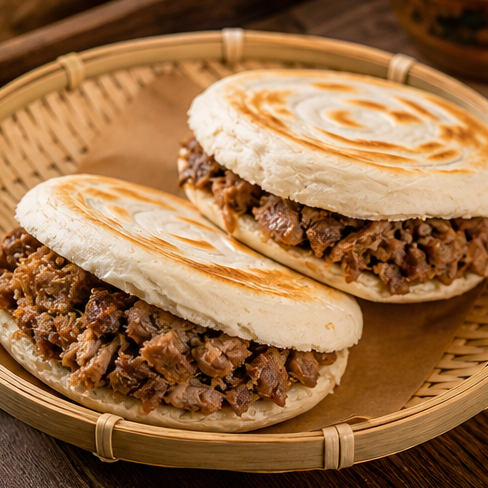
Image: AI-generated local food photograph, no brand or identifiable shop.
Biangbiang noodles
Biangbiang noodles are wide hand-pulled noodles usually served with chili oil, vegetables, and a savory sauce.
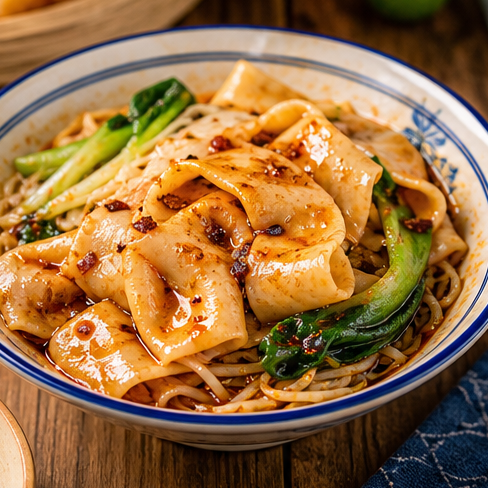
Image: AI-generated local food photograph, no brand or identifiable shop.
Liangpi
Liangpi are cold noodles or cold starch sheets with vinegar, chili, sesame, and wheat-gluten textures. They are refreshing in hot weather.
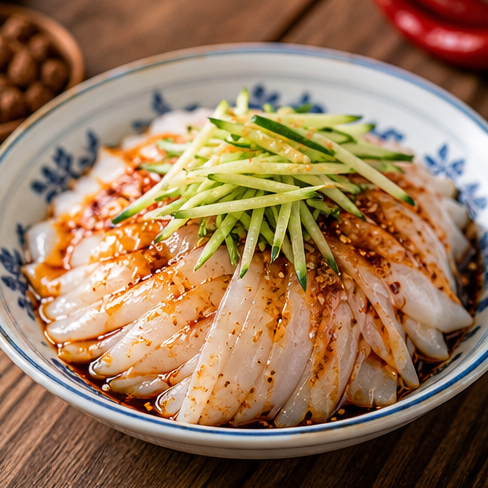
Image: AI-generated local food photograph, no brand or identifiable shop.
Yangrou paomo
Yangrou paomo is a lamb-and-bread soup: diners traditionally tear flatbread into pieces before broth and meat are added.
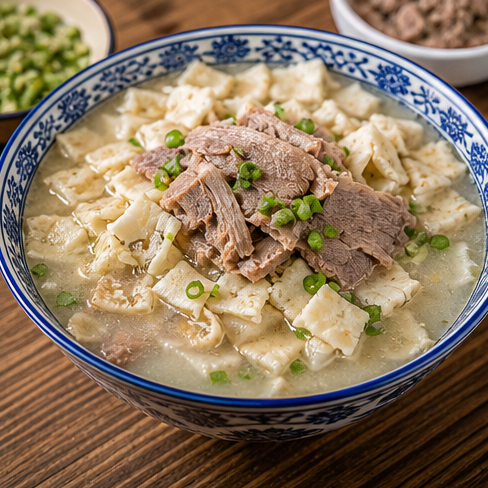
Image: AI-generated local food photograph, no brand or identifiable shop.
Zenggao
Zenggao is a dense, sweet sticky-rice snack or dessert often made with dates and beans.
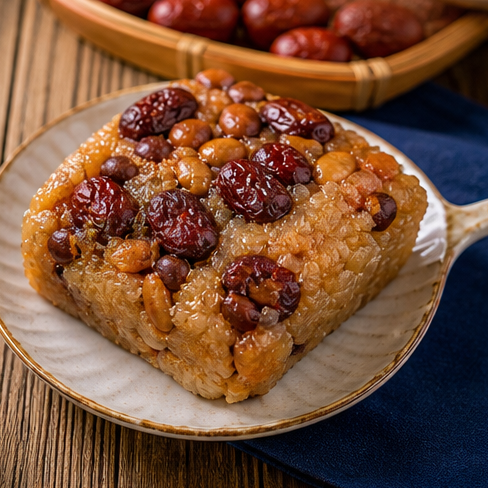
Image: AI-generated local food photograph, no brand or identifiable shop.
Timing and side trips
Public holidays and school vacations can make the Terracotta Army and Grand Tang Mall very crowded. Book museum visits early, start major excursions in the morning, and keep evenings flexible.
Huashan is a famous mountain side trip from Xi'an, but it is a serious day rather than a casual add-on. Check weather, transport, cableway operations, and your own fitness before committing.
Practical tips
- Check museum reservations before your arrival day.
- Treat the Terracotta Army as a separate excursion from the city-center route.
- Carry water for the wall, especially in warmer months.
- Save attraction names in Chinese and confirm pickup points carefully.
- Leave your evening flexible: Xi'an is enjoyable after the formal sightseeing ends.
- Do not make Grand Tang Mall your only evening option during major holidays; crowd controls may change movement routes.
Xi'an orientation map
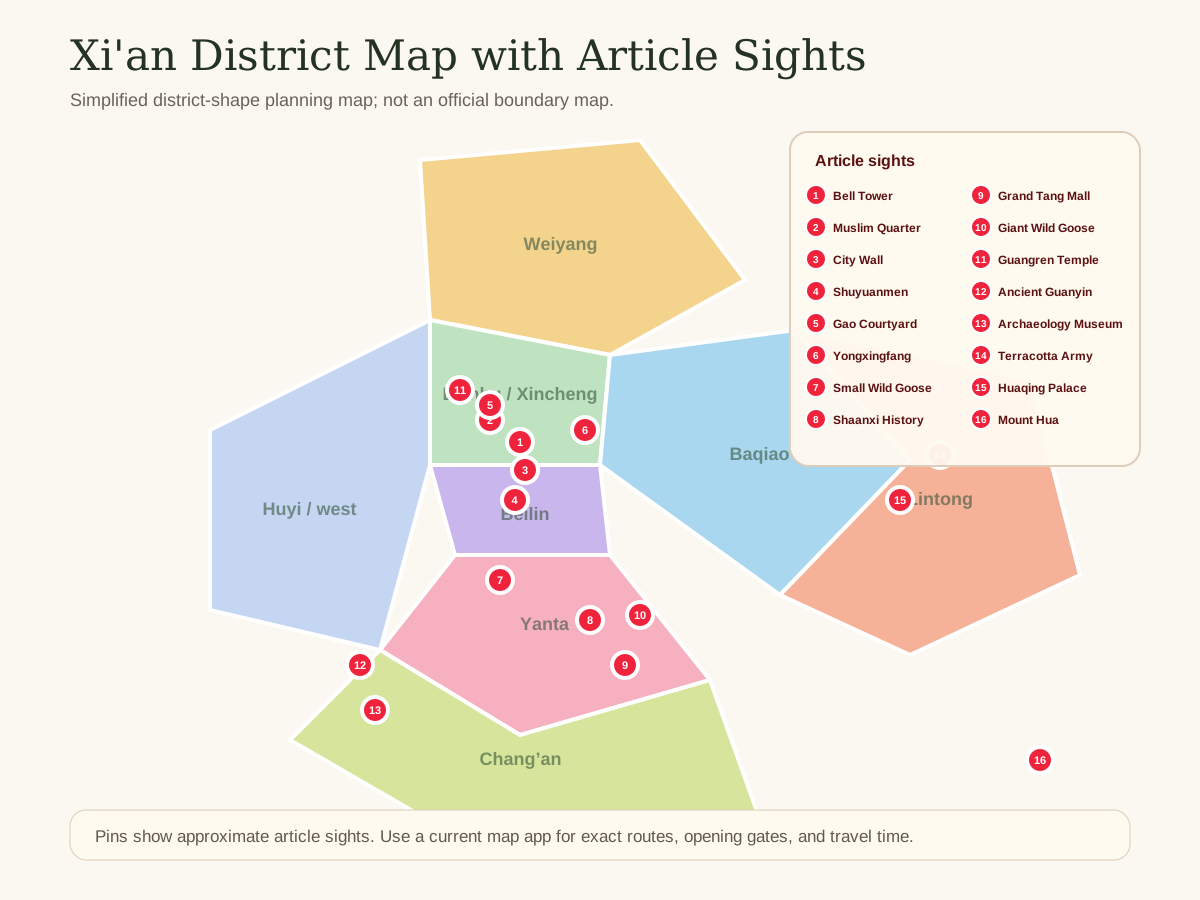
This is a planning map, not a navigation map. It groups the article's sights by rough area so travelers can judge which places are easy to combine in the same day.
Related reading
Booking PDFs
Xi'an booking guides
Start with the complete city bundle, or choose only the single-attraction PDF you need.
Full city bundle
Xi'an Attraction Booking Process Bundle
All 15 Xi'an attraction booking-process PDFs in one combined English guide.
Need only one attraction instead?
Choose a single booking PDF only when one attraction is the immediate priority.
Terracotta Army Booking Guide
Official channels, passport booking, manual entry, third-party caution, and Lintong route notes.
$0.99
Get PDFXi'an City Wall Booking Guide
Yongning Gate, passport booking, bike rental, gate-hour caution, and peak-day entry notes.
$0.99
Get PDFGiant Wild Goose Pagoda Booking Guide
Da Ci'en Temple booking, tower-access caution, Xuanzang context, metro, and manual-entry notes.
$0.99
Get PDFXi'an Bell and Drum Towers Booking Guide
Online booking, passport entry, combined-ticket caution, performance timing, and Muslim Quarter pairing.
$0.99
Get PDFShaanxi History Museum Booking Guide
Official reservation, passport/manual-window process, Monday caution, branch distinction, and backup plans.
$0.99
Get PDFGreat Tang All Day Mall Guide
Free street access, same-day performance caution, crowd-control notes, and Hanfu service reminders.
$0.99
Get PDFMount Hua Booking Guide
Entrance, cable cars, shuttle buses, passport handling, weather risk, and high-speed rail planning.
$0.99
Get PDFGuangren Temple Xi'an Guide
Free temple access, passport wording, etiquette, ceremony caution, and city-wall pairing.
$0.99
Get PDFSmall Wild Goose Pagoda and Xi'an Museum Guide
Free-but-reserved entry, passport/manual window, tower-access caution, and museum route notes.
$0.99
Get PDFShaanxi Archaeology Museum Booking Guide
Official WeChat reservation, passport window, free-ticket caution, and transport planning.
$0.99
Get PDFHuaqing Palace Booking Guide
Paper-ticket exchange for foreign visitors, east/west manual windows, performance caution, and Lintong pairing.
$0.99
Get PDFShuyuanmen Cultural Street Guide
Free street access, small-venue caution, antique-shopping reminders, and South Gate pairing.
$0.99
Get PDFAncient Guanyin Temple Xi'an Guide
Free temple access, ginkgo-season reservation caution, passport wording, and transport reminders.
$0.99
Get PDFYongxingfang Xi'an Guide
Free district access, food-stall caution, intangible-culture booking notes, and Zhongshan Gate pairing.
$0.99
Get PDFGao Family Courtyard Guide
Entry options, performance-package caution, passport discount wording, and Muslim Quarter pairing.
$0.99
Get PDFNext step
Need city booking help after choosing your route?
Compare city booking bundles for attraction reservations, passport-user notes, official-platform reminders, and day-of-entry checks.
Sources and reference checks
- https://en.shaanxi.gov.cn/tourism/tt/tr/201712/t20171214_1594931.html
- https://en.shaanxi.gov.cn/tourism/aic/xa_2120/201712/t20171210_1595308.html
- https://en.shaanxi.gov.cn/tourism/ms/201705/t20170516_1594551_wap.html
- https://en.shaanxi.gov.cn/ThisisShaanxi/202009/t20200908_1632376.html
- https://en.shaanxi.gov.cn/news/sn/202602/t20260204_3610741.html
- https://en.shaanxi.gov.cn/as/photos/202601/t20260104_3601897.html
Conversation
Questions and comments
Share a question, correction, or reading note. Most comments appear automatically. Some are held briefly for review.
Need a private reply? Email chiyaoyaoya@gmail.com.
Loading comments...